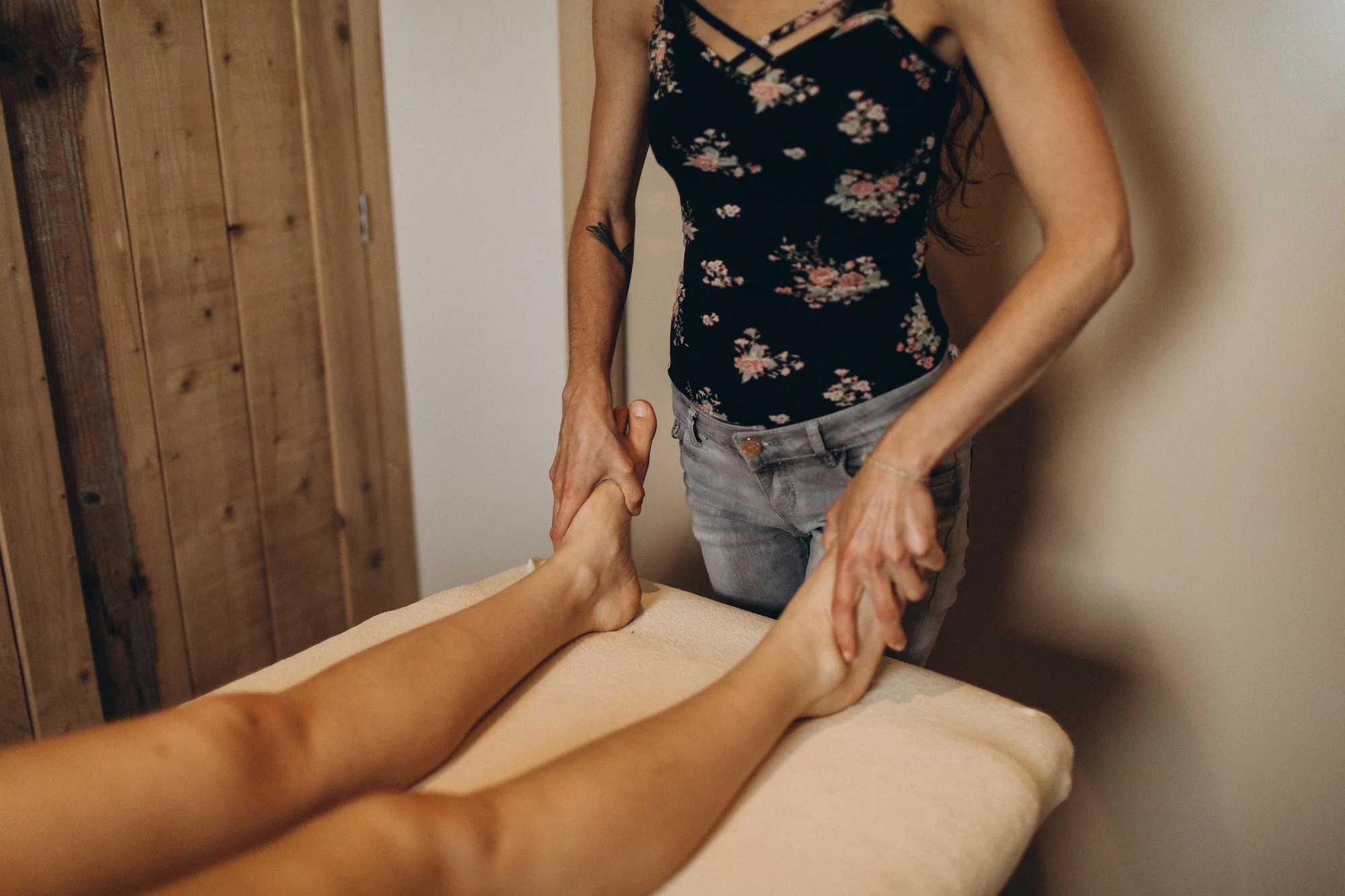
What is Osteopathy?
Osteopathy is a manual therapy aimed at diagnosing and treating functional disorders. It is also effective as a preventive therapy. It is a philosophical and therapeutic approach that considers the individual as a whole.
Loss of mobility in joints, muscles, ligaments, or viscera can disrupt overall health. Osteopathy is based on the body’s ability to self-regulate and a deep understanding of anatomy and physiology.
Who is Osteopathy For?
I provide care for people of all ages: newborns, seniors, individuals with reduced mobility, athletes, pregnant women, and more.
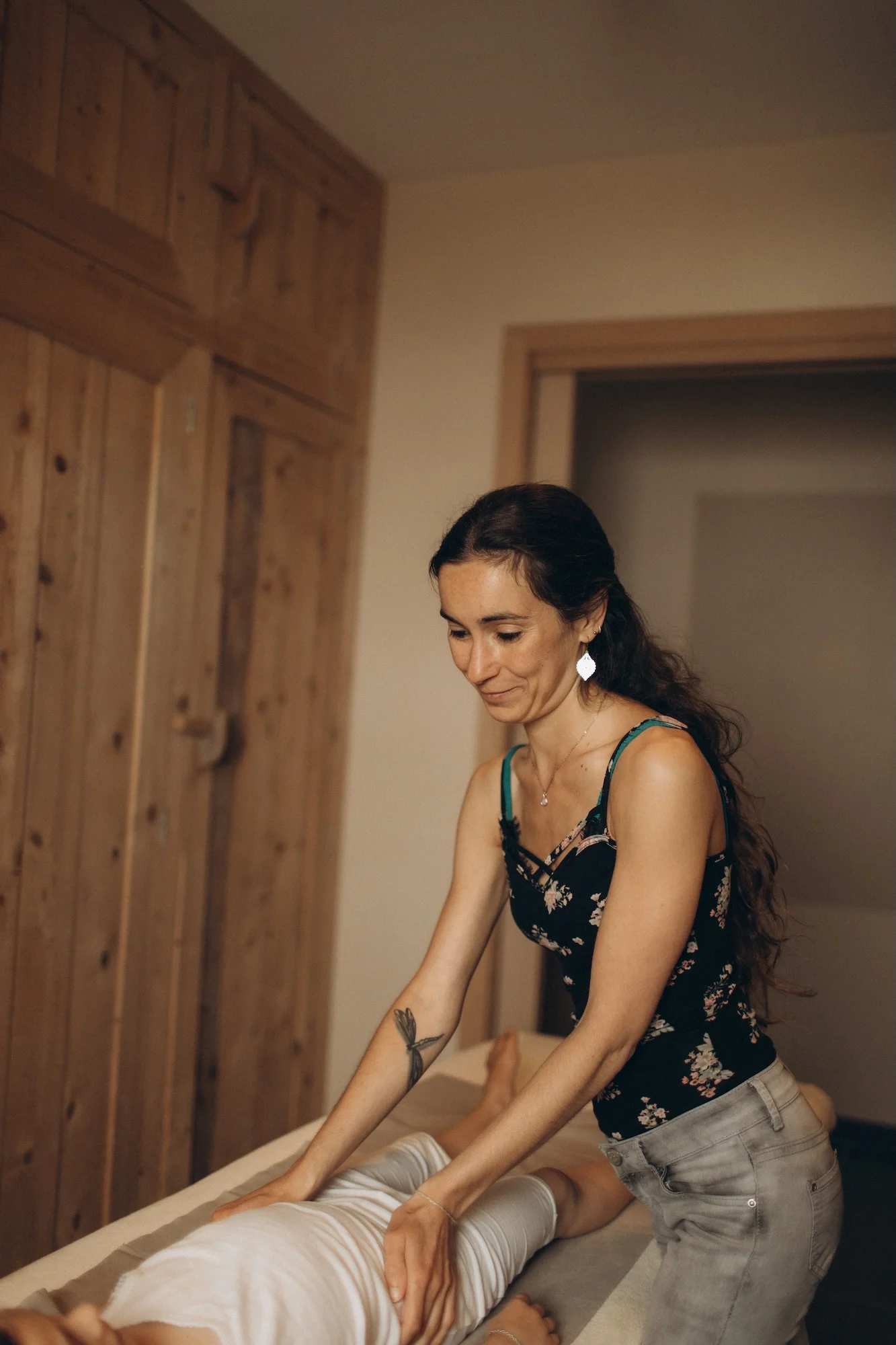
Why Consult an Osteopath?
For Support and Prevention
- Support during pregnancy and postpartum
- Post-surgical recovery support
- Support during orthodontic treatment
- Support for pediatric orthopedic conditions (clubfoot, congenital torticollis, scoliosis, kyphosis)
For Treatment and Prevention
- Musculoskeletal issues: neck pain, torticollis, lower back pain, lumbago, intercostal pain, neuralgia, sprains, tendinitis, mechanical headaches, etc.
- Visceral issues: digestive (stomach pain, constipation, diarrhea), ENT and respiratory (prevention of sinusitis, recurrent ear infections, functional vertigo), cardiovascular (idiopathic palpitations, non-medical origin), urinary (recurrent UTIs without bacterial cause, non-functional prostate issues), and gynecological (menstrual pain, various gynecological disorders).
- Neuro-vegetative system disorders (hyperactivity, sleep disorders, certain digestive issues, headaches, tension, anxiety, stress).
- Following physical trauma (falls, car accidents, sports injuries, etc.).
- Somato-emotional support during difficult life periods.
The Principles of Osteopathy
The principles were established by its founder, Andrew Taylor Still, in the 19th century.:
The Body is a Whole: Treatment considers the body as a whole. All structures communicate and interact, adapting to external demands. For example, a knee injury can cause pain in the ankle or lower back, even if the knee itself is not painful.
Structure Governs Function and Vice Versa : Structure refers to anatomy, while function refers to the role of each element in the body. For instance, the muscle is the structure, and its contraction is the function. If the structure is impaired, it cannot perform its function optimally. Conversely, impaired function can affect the structure.
If a muscle is damaged, it will not contract as effectively. Conversely, prolonged excessive contraction can damage the muscle structure, impairing blood circulation.
Self-Healing : As Still said, 'The body is God’s pharmacy.' In other words, the body has everything it needs to heal itself without external chemical intervention. The osteopath helps patients activate their self-healing capacities.
The Rule of the Artery : If blood and all body fluids circulate well, tissues receive everything they need to stay healthy.